

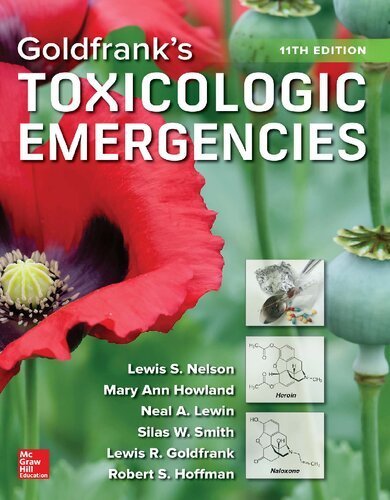
Goldfrank’s Toxicologic Emergencies 11th Edition by Lewis S. Nelson, ISBN-13: 978-1259859618
Original price was: $100.00.$24.99Current price is: $24.99.
Safe & secure checkout
Description
Description
Trustpilot
Goldfrank’s Toxicologic Emergencies 11th Edition by Lewis S. Nelson, ISBN-13: 978-1259859618
[PDF eBook eTextbook] – Available Instantly
- Publisher: McGraw Hill / Medical; 11th edition (April 11, 2019)
- Language: English
- 2104 pages (Large file size: 55 MB)
- ISBN-10: 1259859614
- ISBN-13: 978-1259859618
The best edition yet of the landmark text in medical toxicology.
A Doody’s Core Title for 2022!
Covering every aspect of poison management, this indispensable case-based resource has been thoroughly refreshed to deliver evidence-based principles viewed through the lens of an active bedside clinical practice. In no other reference will you find such a diverse roster of esteemed editors and authors who deliver expert insights into every type of toxicologic emergency, whether due to substance abuse or exposure to toxins.
Fully referenced and supported by a cohesive organization and full-color format, Goldfrank’s begins with a historical perspective on medical toxicology principles and the general approach to the patient. It then progresses to the fundamental principles of medical toxicology, encompassing biochemical and molecular concepts; the effect of xenobiotics on vital organs and body systems; and toxicologic principles in special populations.
The Eleventh Edition of Goldfrank’s Toxicologic Emergencies is the most rigorous volume to date, driven by a precise analysis of the latest medical literature and complex cases designed to facilitate differential diagnosis.
New to this Edition:
• Additional cases and “Special Considerations” chapters designed to enhance clinical decision-making and patient outcomes
• New “Antidotes in Depth” provides timely, critical information on toxicologic treatment strategies
• New content on toxicogenomics explores its increasingly important role in predictive toxicology
• Chapter-ending bulleted summaries of key points
• Updated coverage of synthetics such as “K2”
• Revised chapters on medical, clinical, and chemical toxicology include updated insights on poison emergencies, treatment strategies, and risk assessment tools
Table of Contents:
Cover
Title Page
Copyright Page
Dedication
Contents
Contributors
Preface
Acknowledgments
1. Historical Principles and Perspectives
2. Toxicologic Misfortunes and Catastrophes in History
Part A The General Approach to the Patient
Case Study 1
3. Initial Evaluation of the Patient: Vital Signs and Toxic Syndromes
Case Study 2
4. Principles of Managing the Acutely Poisoned or Overdosed Patient
SC1. Principles of Antidote Stocking
5. Techniques Used to Prevent Gastrointestinal Absorption
SC2. Decontamination Principles: Prevention of Dermal, Ophthalmic, and Inhalational Absorption
A1. Activated Charcoal
A2. Whole-Bowel Irrigation and Other Intestinal Evacuants
6. Principles and Techniques Applied to Enhance Elimination
7. Laboratory Principles
8. Principles of Diagnostic Imaging
9. Pharmacokinetic and Toxicokinetic Principles
Part B The Fundamental Principles of Medical Toxicology
Section I Biochemical and Molecular Concepts
10. Chemical Principles
11. Biochemical and Metabolic Principles
12. Fluid, Electrolyte, and Acid–Base Principles
13. Neurotransmitters and Neuromodulators
14. Withdrawal Principles
Section II Pathophysiologic Basis: Organ Systems
Case Study 3
15. Cardiologic Principles I: Electrophysiologic and Electrocardiographic Principles
16. Cardiologic Principles II: Hemodynamics
Case Study 4
17. Dermatologic Principles
SC3. Transdermal Toxicology
18. Gastrointestinal Principles
19. Genitourinary Principles
20. Hematologic Principles
21. Hepatic Principles
Case Study 5
22. Neurologic Principles
23. Oncologic Principles
24. Ophthalmic Principles
25. Otolaryngologic Principles
26. Psychiatric Principles
SC4. Patient Violence
27. Renal Principles
28. Respiratory Principles
29. Thermoregulatory Principles
Section III Special Populations
30. Reproductive and Perinatal Principles
31. Pediatric Principles
Case Study 6
32. Geriatric Principles
Part C The Clinical Basis of Medical Toxicology
Section I
A. Analgesics and Antiinflammatory Medications
33. Acetaminophen
A3. N-Acetylcysteine
34. Colchicine, Podophyllin, and the Vinca Alkaloids
35. Nonsteroidal Antiinflammatory Drugs
36. Opioids
A4. Opioid Antagonists
SC5. Internal Concealment of Xenobiotics
SC6. Prevention, Treatment, and Harm Reduction Approaches to Opioid Overdoses
37. Salicylates
A5. Sodium Bicarbonate
B. Food, Diet, and Nutrition
38. Botulism
A6. Botulinum Antitoxin
39. Food Poisoning
40. Dieting Xenobiotics and Regimens
41. Athletic Performance Enhancers
42. Essential Oils
43. Plant- and Animal-Derived Dietary Supplements
44. Vitamins
45. Iron
A7. Deferoxamine
C. Pharmaceuticals
46. Pharmaceutical Additives
47. Antidiabetics and Hypoglycemics/Antiglycemics
A8. Dextrose (D-Glucose)
A9. Octreotide
48. Antiepileptics
A10. L-Carnitine
Case Study 7
49. Antihistamines and Decongestants
A11. Physostigmine Salicylate
50. Chemotherapeutics
51. Methotrexate, 5-Fluorouracil, and Capecitabine
A12. Folates: Leucovorin (Folinic Acid) and Folic Acid
A13. Glucarpidase (Carboxypeptidase G2)
A14. Uridine Triacetate
SC7. Intrathecal Administration of Xenobiotics
SC8. Extravasation of Xenobiotics
52. Antimigraine Medications
53. Thyroid and Antithyroid Medications
D. Antimicrobials
54. Antibacterials, Antifungals, and Antivirals
55. Antimalarials
56. Antituberculous Medications
A15. Pyridoxine
E. Cardiopulmonary Medications
57. Antidysrhythmics
A16. Magnesium
58. Antithrombotics
A17. Prothrombin Complex Concentrates and Direct Oral Anticoagulant Antidotes
A18. Vitamin K1
A19. Protamine
Case Study 8
59. β-Adrenergic Antagonists
A20. Glucagon
60. Calcium Channel Blockers
A21. High-Dose Insulin
61. Miscellaneous Antihypertensives and Pharmacologically Related Agents
62. Cardioactive Steroids
A22. Digoxin-Specific Antibody Fragments
63. Methylxanthines and Selective β2-Adrenergic Agonists
F. Anesthetics and Related Medications
64. Local Anesthetics
A23. Lipid Emulsion
65. Inhalational Anesthetics
66. Neuromuscular Blockers
A24. Dantrolene Sodium
G. Psychotropic Medications
67. Antipsychotics
68. Cyclic Antidepressants
69. Serotonin Reuptake Inhibitors and Atypical Antidepressants
70. Lithium
71. Monoamine Oxidase Inhibitors
72. Sedative–Hypnotics
A25. Flumazenil
H. Substances of Abuse
73. Amphetamines
74. Cannabinoids
75. Cocaine
A26. Benzodiazepines
76. Ethanol
A27. Thiamine Hydrochloride
77. Alcohol Withdrawal
78. Disulfiram and Disulfiramlike Reactions
79. Hallucinogens
80. γ-Hydroxybutyric Acid (γ-Hydroxybutyrate)
81. Inhalants
82. Nicotine
83. Phencyclidine and Ketamine
I. Metals
Case Study 9
84. Aluminum
85. Antimony
86. Arsenic
A28. Dimercaprol (British Anti-Lewisite or Bal)
87. Bismuth
88. Cadmium
89. Cesium
90. Chromium
91. Cobalt
92. Copper
93. Lead
A29. Succimer (2,3-Dimercaptosuccinic Acid) and DMPS (2,3-Dimercapto-1-Propanesulfonic Acid)
A30. Edetate Calcium Disodium (CaNa2EDTA)
94. Manganese
95. Mercury
96. Nickel
97. Selenium
98. Silver
99. Thallium
A31. Prussian Blue
100. Zinc
J. Household Products
101. Antiseptics, Disinfectants, and Sterilants
102. Camphor and Moth Repellents
103. Caustics
104. Hydrofluoric Acid and Fluorides
A32. Calcium
105. Hydrocarbons
Case Study 10
106. Toxic Alcohols
A33. Fomepizole
A34. Ethanol
SC9. Diethylene Glycol
K. Pesticides
Case Study 11
107. Barium
108. Fumigants
109. Herbicides
110. Insecticides: Organic Phosphorous Compounds and Carbamates
A35. Atropine
A36. Pralidoxime
111. Insecticides: Organic Chlorines, Pyrethrins/Pyrethroids, and Insect Repellents
112. Phosphorus
113. Sodium Monofluoroacetate and Fluoroacetamide
114. Strychnine
L. Natural Toxins and Envenomations
115. Arthropods
A37. Antivenom: Spider
A38. Antivenom: Scorpion
116. Marine Envenomations
117. Mushrooms
118. Plants
119. Native (US) Venomous Snakes and Lizards
A39. Antivenom for North American Venomous Snakes (Crotaline and Elapid)
SC10. Exotic Nonnative Snake Envenomations
M. Occupational and Environmental Toxins
Case Study 12
120. Smoke Inhalation
Case Study 13
121. Simple Asphyxiants and Pulmonary Irritants
122. Carbon Monoxide
A40. Hyperbaric Oxygen
123. Cyanide and Hydrogen Sulfide
A41. Hydroxocobalamin
A42. Nitrites (Amyl and Sodium) and Sodium Thiosulfate
124. Methemoglobin Inducers
A43. Methylene Blue
125. Nanotoxicology
N. Disaster Preparedness
126. Chemical Weapons
127. Biological Weapons
128. Radiation
A44. Potassium Iodide
A45. Pentetic Acid or Pentetate (Zinc or Calcium) Trisodium (DTPA)
Part D Population Health
Section I Poison Control Centers, Health Systems, and Epidemiology
129. Poison Prevention and Education
130. Poison Control Centers and Poison Epidemiology
131. Principles of Occupational Toxicology: Diagnosis and Control
132. Hazardous Materials Incident Response
133. Risk Assessment and Risk Communication
Case Study 14
134. Medication Safety and Adverse Drug Events
135. Drug Development, Adverse Drug Events, and Postmarketing Surveillance
136. International Perspectives on Medical Toxicology
137. Principles of Epidemiology and Research Design
Section II Legal Aspects of Toxicology
138. Risk Management and Legal Principles
139. Medicolegal Interpretive Toxicology
SC11. Assessment of Ethanol-Induced Impairment
140. Postmortem Toxicology
SC12. Organ Procurement from Poisoned Patients
Index
Lewis S. Nelson, MD is Professor and Chair, Department of Emergence Medicine, Rutgers New Jersey Medical School, Chief of Service, Emergency Department, University Hospital.
Robert S. Hoffman, MD is Professor of Emergency Medicine and Medicine, Director, Division of Medical Toxicology, New York University School of Medicine, Attending Physician, Emergency Medicine, Bellevue Hospital Center and New York University Langone Medical Center, Consultant, New York City Poison Center.
Mary Ann Howland, PharmD is Clinical Professor of Pharmacy, St. John’s University College of Pharmacy and Health Sciences, Adjunct Professor of Emergency Medicine, New York University School of Medicine, Bellevue Hospital Center and New York University Langone Medical Center, Senior Consultant, New York City Poison Center.
Neal A. Lewin, MD is Druckenmiller Professor of Emergency Medicine and Professor of Medicine (Pharmacology), New York University School of Medicine, Director, Didactic Education, Emergency Medicine Residency, Attending Physician, Emergency Medicine and Internal Medicine, Bellevue Hospital Center and New York University Langone Medical Center, Consultant, New York City Poison Center.
Silas W. Smith, MD is Associate Professor of Emergency Medicine, Chief of Safety and Quality, Department of Emergency Medicine, Associate Director of Medical Toxicology Fellowship Program, New York University School of Medicine, New York City Poison Control Center, Attending Physician Bellevue Hospital Center and New York University Langone Medical Center.
Lewis R. Goldfrank, MD is the Herbert W. Adams Professor of Emergency Medicine, Ronald O. Perelman Department of Emergency Medicine, Director, Emergency Medicine, Bellevue Hospital Center and New York University Medical Center, Medical Director, New York City Poison Center.
What makes us different?
• Instant Download
• Always Competitive Pricing
• 100% Privacy
• FREE Sample Available
• 24-7 LIVE Customer Support
Reviews
There are no reviews yet.