

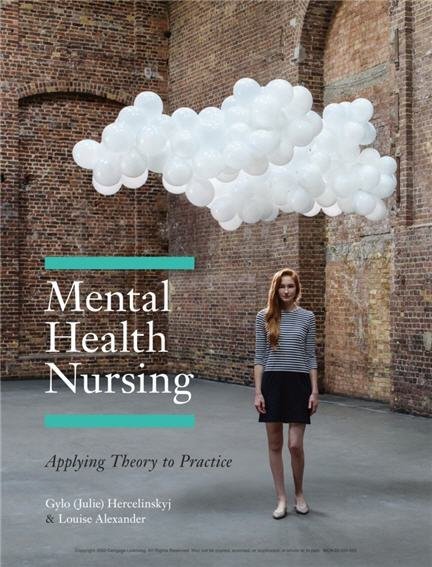
Mental Health Nursing: Applying Theory To Practice Enhanced Edition by Gylo Hercelinskyj, ISBN-13: 978-0170282772
Original price was: $50.00.$14.99Current price is: $14.99.
Safe & secure checkout
Description
Description
Mental Health Nursing: Applying Theory To Practice Enhanced Edition by Gylo Hercelinskyj, ISBN-13: 978-0170282772
[PDF eBook eTextbook]
- Publisher: CENGAGE AUSTRALIA; 1st edition (30 July 2019)
- Language: English
- 562 pages
- ISBN-10: 0170387526
- ISBN-13: 978-0170282772
Mental Health Nursing is an Australian text combining a theoretical approach to mental health nursing with clinical reasoning and a practical framework for real-life nursing situations. Ideal for both clinical and theory mental health units, the text was developed with input from consumers and clinicians, and includes the clinical manifestations, impacts, treatment and management of persons suffering from mental illness. Chapters on ‘Suicide and non-suicidal self-injury’ and ‘Mental health first aid’ provide detailed coverage of these contemporary mental health issues, while a chapter on Mental State Examination (MSE) comprehensively explores MSE in a style similar to a traditional psychiatry text and in the context of many different mental health conditions, giving students multiple perspectives of presentations. Critical thinking and review questions challenge students to apply theory to practice, and pharmacology is discussed in each disorder-chapter, helping students to contextualise their learning. With coverage of the Mental Health Act (2014), and criteria from the Diagnostic and Statistical Manual of Mental Disorders, Fifth Edition (DSM-5) integrated throughout, the text equips students with a working understanding of major mental health disorders, and the ability to work practically when engaging with persons suffering from mental illness. This enhanced edition now also includes discussion around mental health as it pertains to the effects that COVID-19 and the global pandemic have had on consumers and practitioners.
Mental Health Nursing: Applying Theory to Practice covers how you treat and manage people suffering from mental illness. You’ll learn how to work practically, and how to carry out a Mental State Examination (MSE) and risk assessment. You’ll also go through the Mental Health Act (2014). The text outlines contemporary issues relating to a range of disorders, and links diagnostic criteria with practice and critical thinking. Also covered is the therapeutic use of self when providing care.
Table of Contents:
Half Title Page
Title Page
Imprint Page
Brief Contents
Contents
Guide to the text
Guide to the online resources
Preface
About the authors
Acknowledgements
Section 1: Underpinnings of mental health nursing
Chapter 1: Mental health nursing – then and now
Introduction
Belief in supernatural origins of illness and disease
Asylums of the world
History of Australia’s asylums and mental health nursing
Treatments throughout history
The role and identity of the mental health nurse in contemporary service delivery
Chapter resources
Chapter 2: Theoretical frameworks underpinning practice
Introduction
Health, mental health and human behaviour
Biomedical theories of personality
Psychodynamic theories of personality
The behavioural/social cognitive orientation
The humanistic orientation
The use of psychological and sociological theories of personality in mental health nursing practice
Relevance of psychological and/or nursing theories to nursing practice
Chapter resources
Chapter 3: Ethics, law and mental health nursing practice
Introduction
Context of mental health legislation in Australia
Legislation facilitating care and treatment of people with a mental health condition
Mental health conditions, offending and the law
Legal and ethical dimensions of practice for nurses
Compulsory care and treatment from a consumer perspective
Chapter resources
Chapter 4: Treatment modalities utilised in contemporary mental health service delivery
Introduction
Pharmacological interventions
Psychosocial interventions
Motivational interviewing
Mindfulness-based interventions
Cognitive behavioural therapy
Rational emotive behaviour therapy
Dialectical behaviour therapy
Structured problem solving
Psychoeducation
Chapter resources
Chapter 5: Mental health nursing as a therapeutic process
Introduction
Interpersonal communication within the nurse–consumer relationship
Core elements of the communication process
Effective communication skills
The therapeutic relationship
Therapeutic use of self
Developing, maintaining and terminating therapeutic relationships
The application of therapeutic communication qualities and skills in the clinical context
Chapter resources
Chapter 6: Using evidence to guide mental health nursing practice
Introduction
What is evidence-based practice?
Implementing evidence-based nursing practice
Critical appraisal of research evidence
Translating evidence into clinical practice
Mental health outcome measures
Chapter resources
Section 2: The clinical context of practice
Chapter 7: Assessment and diagnosis
Introduction
The context of practice
Assessment in mental health
Comprehensive mental health assessment
Modern diagnostic classification systems in mental health assessment
Chapter resources
Chapter 8: Schizophrenia spectrum and other psychotic disorders
Introduction
Aetiology
Diagnostic criteria schizophrenia
Clinical presentation and the mental state examination
Treatment
Recovery and relapse prevention
Other psychotic disorders
Chapter resources
Chapter 9: Bipolar and related disorders
Introduction
Aetiology
Diagnostic criteria bipolar I and II disorder
Clinical presentation and the mental state examination
Treatment
Recovery and relapse prevention
Chapter resources
Chapter 10: Depressive disorders
Introduction
Aetiology and epidemiology
Clinical presentation of depressive disorder in the context of the mental state examination
Treatment
Persistent depressive disorder (dysthymia)
Depression in the perinatal period
Depression and older people
Recovery and relapse prevention
The family’s experience of depression
Chapter resources
Chapter 11: Anxiety disorders
Introduction
What is anxiety?
Aetiology
Diagnostic criteria
Treatment of anxiety disorders
How do mental health nurses assist a person experiencing anxiety?
Chapter resources
Chapter 12: Personality disorders
Introduction
Defining personality and understanding general personality disorder
Introducing cluster A, B and C personality disorders
Antisocial personality disorder (APD)
Borderline personality disorder
Chapter resources
Chapter 13: Eating disorders
Introduction
Anorexia nervosa
Bulimia nervosa
Binge-eating disorder
Males and eating disorders
Chapter resources
Chapter 14: Substance-related and addictive disorders
Introduction
The historical context of substance use and misuse
Understanding substance misuse, and defining illicit and psychoactive substances
Addiction and dependence
Substance use, misuse problems and substance use disorders
Diagnostic criteria
Biopsychosocial assessment framework
Clinical presentation and the mental state examination
Chapter resources
Chapter 15: Neurodevelopmental disorders
Introduction
Neurodevelopmental disorders
Attention deficit/hyperactivity disorder
Intellectual disability (intellectual disability disorder)
Autism spectrum disorder
Risk assessment for people diagnosed with a neurodevelopmental disorder
The impact of caring for a person with a diagnosis of a neurodevelopmental disorder: who cares for t
Chapter resources
Chapter 16: Neurocognitive disorders
Introduction
Ageing in Australia today: contemporary trends and issues
Healthy ageing
Elder abuse
Mental health issues and older people
Delirium
Major neurocognitive disorders: dementia
The impact of neurocognitive disorders on families
Chapter resources
Chapter 17: Obsessive compulsive and related disorders
Introduction
Obsessive-compulsive disorder
Hoarding disorder
Trichotillomania
Excoriation
Chapter resources
Chapter 18: Trauma and stress-related disorders
Introduction
Understanding trauma and stress-related disorders
Trauma and stress-related disorders
Assessment and treatment of trauma and stress-related disorders
Developing an individualised plan of care for a person experiencing a disorder as a result of trauma
Supporting family and other caregivers
Supporting clients on the recovery journey
Chapter resources
Chapter 19: Other disorders of clinical interest
Introduction
Conduct disorder
Oppositional defiant disorder
Dissociative identity disorder
Gender dysphoria
Conversion disorder
Factitious disorder
Chapter resources
Section 3: Contemporary issues in mental health nursing
Chapter 20: Suicide and non-suicidal self-injury
Introduction
Suicide
Theories of suicide
Cultural considerations and vulnerable groups
The role of the media
Assessing risk of suicide
Self-harm/injury (non-suicidal self-injury)
Assessment and collaborative care for consumers who experience self-injuring behaviours
Chapter resources
Chapter 21: Recovery and resilience in mental health
Introduction
Recovery and recovery-oriented practice
Trauma-informed practice
Working with people
Be an ‘agent of change’ for recovery-oriented and trauma-informed practices
The peer workforce and recovery
Recovery ethics and reflection
Chapter resources
Chapter 22: The family’s role in contemporary mental health service delivery
Introduction
What is a family?
Theories regarding family structure and functioning
The family’s experience of caring for a loved one with a mental health challenge
Families and resilience
Mental health nurses work with families
Assessing family structure, function and dynamics
Strategies for promoting family resilience
Consumers’ views of the family in supporting them through their journey
Chapter resources
Chapter 23: The multidisciplinary team
Introduction
The multidisciplinary team
Characteristics of effective teamwork
Becoming a member of the multidisciplinary team: integrating into the team as a student nurse
Research on consumers’ views on the role of the mental health nurse as a member of the multidiscip
Chapter resources
Chapter 24: Community mental health context
Introduction
Historical factors of community mental health care
Social determinants of mental health
Primary mental health care
The roles of the mental health nurse
Specialised community services
Chapter resources
Chapter 25: Cultural context in practice in Australia
Introduction
Historical and cultural determinants
Social determinants
Indigenous Australians’ social and emotional well-being
Culturally safe practice: racial issues
Chapter resources
Chapter 26: Mental health first aid
Introduction
Introduction to the MHFA acronym
How to apply MHFA to various mental health problems
Cultural considerations of MHFA within vulnerable groups
Mental health first aid for carers
Chapter resources
Appendix
Glossary
Index
What makes us different?
• Instant Download
• Always Competitive Pricing
• 100% Privacy
• FREE Sample Available
• 24-7 LIVE Customer Support



Reviews
There are no reviews yet.